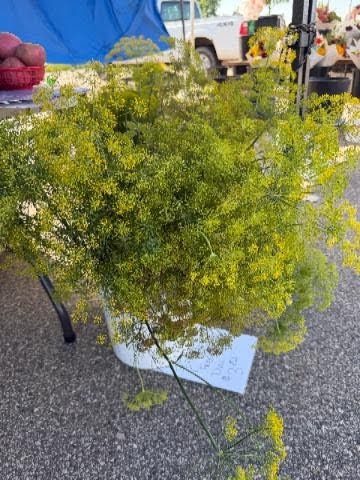
The 10 most commonly grown herbs in Minnesota are basil, chives, dill, parsley, cilantro, oregano, mint, sage, rosemary and thyme. Basil, dill and cilantro are annuals, while parsley is a biennial commonly grown as an annual. They die with the first frost, but dill and cilantro often reseed themselves for the next year. Chives, thyme, sage, oregano and mint are perennials and will come back unless the winter is unusually severe.
Each herb is different. Basil handles the hot sun well, but cilantro and dill grow best in the cool spring or fall. Hot weather makes them go to seed, which is not all bad because cilantro produces coriander seeds, and coriander and dill seeds are both used in pickling. Coriander is also used in many dishes, such as curries and meat rubs.
Parsley
Parsley is commonly grown in Woodbury gardens. It can even withstand a light freeze. It is used for cooking and as a garnish. When chewed, it freshens breath naturally.
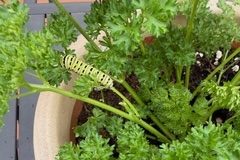
One important thing to note if you are growing parsley is that it is a host plant for the black swallowtail caterpillar. Dill, fennel and carrot tops are also host plants for this butterfly. If you see a bright yellow and black caterpillar devouring your parsley, please do not kill it. It will soon become a lovely black swallowtail butterfly. Maybe consider planting two parsley plants to share with the caterpillar.
Chives
Chives are usually the first herbs to appear in the spring. They are a member of the onion family and have a mild onion flavor. They are packed full of vitamins and antioxidants. Both leaves and flowers are edible. The flowers have a peppery taste. Chives are popular sprinkled on baked potatoes or used in potato dishes, salads and soups.
Basil
Basil might be the most popular herb. Most people associate it with Italian cuisine and use it in sauces for pizza, pasta dishes, bruschetta, pesto, salads and, of course, Caprese salads.
It must be a good year for basil because mine is doing well.
Mint
One of the easiest herbs to grow is mint. It tastes wonderful in iced or hot teas and can be used in soups or desserts.
One word of caution, though: Mint is highly invasive. I would suggest planting it in a container because it can easily take over your garden. Mint plants come in many flavors, including spearmint, peppermint, chocolate and orange that I know of.
Sage
Once established, sage thrives in the heat. It is also cold-hardy. It works well with meat, soups, stews, vegetables and stuffing.
I once roasted the leaves in the oven until they were crispy and served them with pork. They were so good.
Rosemary
Another favorite of mine is rosemary. I love the smell, and I like to add sprigs of rosemary to my pork roasts and chicken.
People sometimes say you should plant a rosemary bush by your front door to provide a fragrant welcome, make it easy to harvest and repel pests, especially mosquitoes, because they hate the scent. I have also grown it inside in a pot.
Harvesting Your Herbs
If your harvest exceeds what you can use, July is a perfect time to preserve your herbs for winter cooking. The herbs are still healthy and abundant. Preserving herbs is simple and an easy way to bring the taste and smell of summer to a cold winter day.
As I mentioned last week, be sure to harvest your herbs before they flower because that is when the plants have the most essential oils and the richest flavor. After bringing them in from the garden, rinse them gently and dry them thoroughly.
The most common methods for preserving herbs are air-drying, microwaving and freezing.
Air-Drying
The University of Minnesota Extension recommends air-drying as the best method. This works best for herbs with sturdy leaves and stems, such as oregano, thyme, rosemary and sage.
Gather four or five stems together and tie them with clean string in small bundles. Air needs to be able to circulate around them. Hang them upside down in a warm, dry place.
It is best to label them because they look different when dried. In one to two weeks, they should crumble easily. Strip the leaves from the stems and store them in glass jars away from light and heat.
Be sure not to crush the herbs before storing them. Keep the leaves as intact as possible and crumble them only when you are ready to cook to retain their flavor longer.
You can also use screen racks, but be sure the herbs are spread apart so they are only one layer deep. Cookie sheets and countertops do not work well because the undersides of the herbs get no air.
Microwaving
The second method for preserving herbs is microwaving. Microwave ovens are the fastest way to dry herbs.
The only problem is that microwaves have different wattages, and you will need to experiment with yours to determine the time needed. Start at 15-second intervals and keep checking until the herbs are thoroughly dried. You will need to experiment until you find the correct time and setting to be sure you are drying the herbs and not cooking them.
Freezing
The final method for preserving herbs is freezing. Tender herbs such as basil, cilantro, parsley, dill and chives lose much of their flavor when dried, so freezing works best for them. Mint can either be dried for use in teas or frozen for cooking.
You can freeze herbs in two ways. First, you can simply take a few leaves or sprigs and freeze them in a plastic bag.
Probably the best way to freeze herbs is to chop them, put them into an ice cube tray, cover them with olive oil or water and freeze them. When frozen, pop the cubes out and put them in freezer bags or containers. When you need them, just drop a cube into simmering soups, sauces or vegetables without thawing.
If you like to make pesto, you can make it ahead of time, but do not add the cheese until you are ready to serve it. Freeze the pesto in ice cube trays or containers. Use frozen herbs and pesto within a year, and do not refreeze herbs once they have thawed.
Preserving herbs is simple and will give you months of homegrown flavor in your kitchen. You can also keep a vase or jar of fresh herbs in water on your counter to enjoy the aroma, because they are pretty to look at and handy to add to your food.
To keep herbs fresh in the short term, do not stick them in a produce bag in your refrigerator drawer. They will not last long. Instead, put them in a glass of water in the refrigerator and cover them with a produce bag. They should last one to two weeks.
Happy cooking!