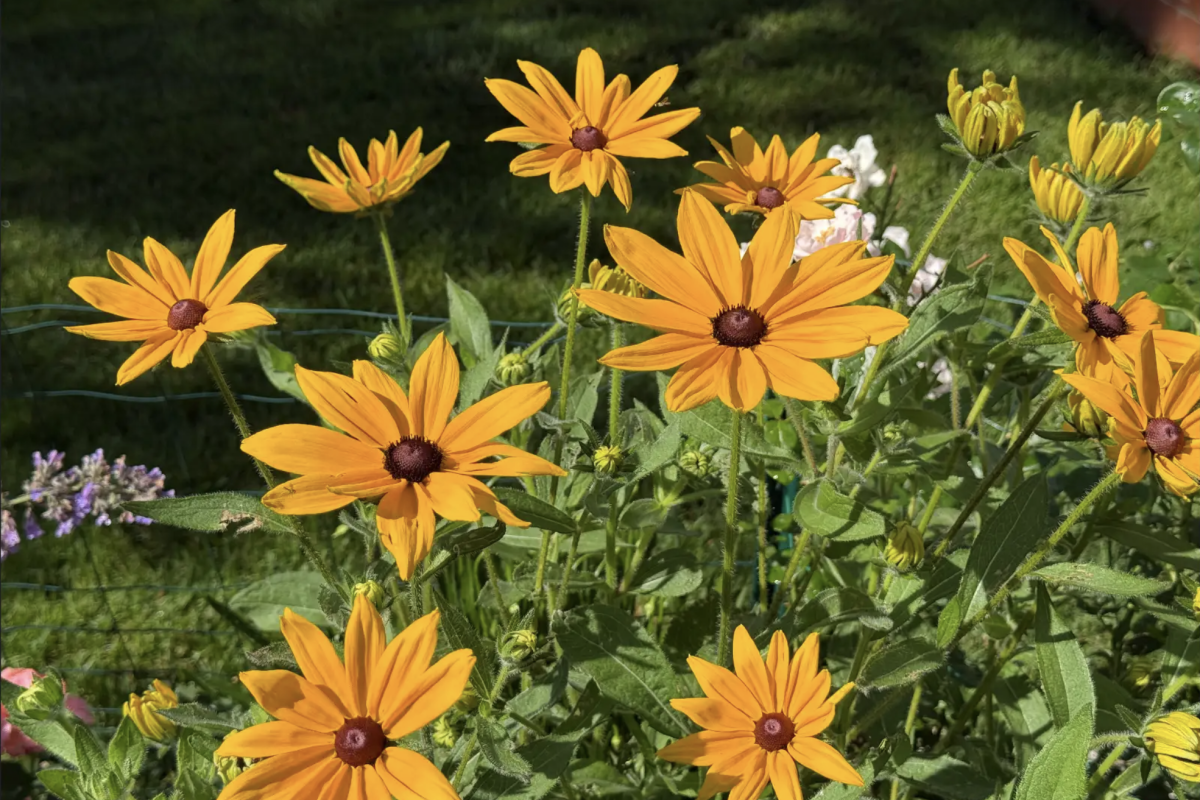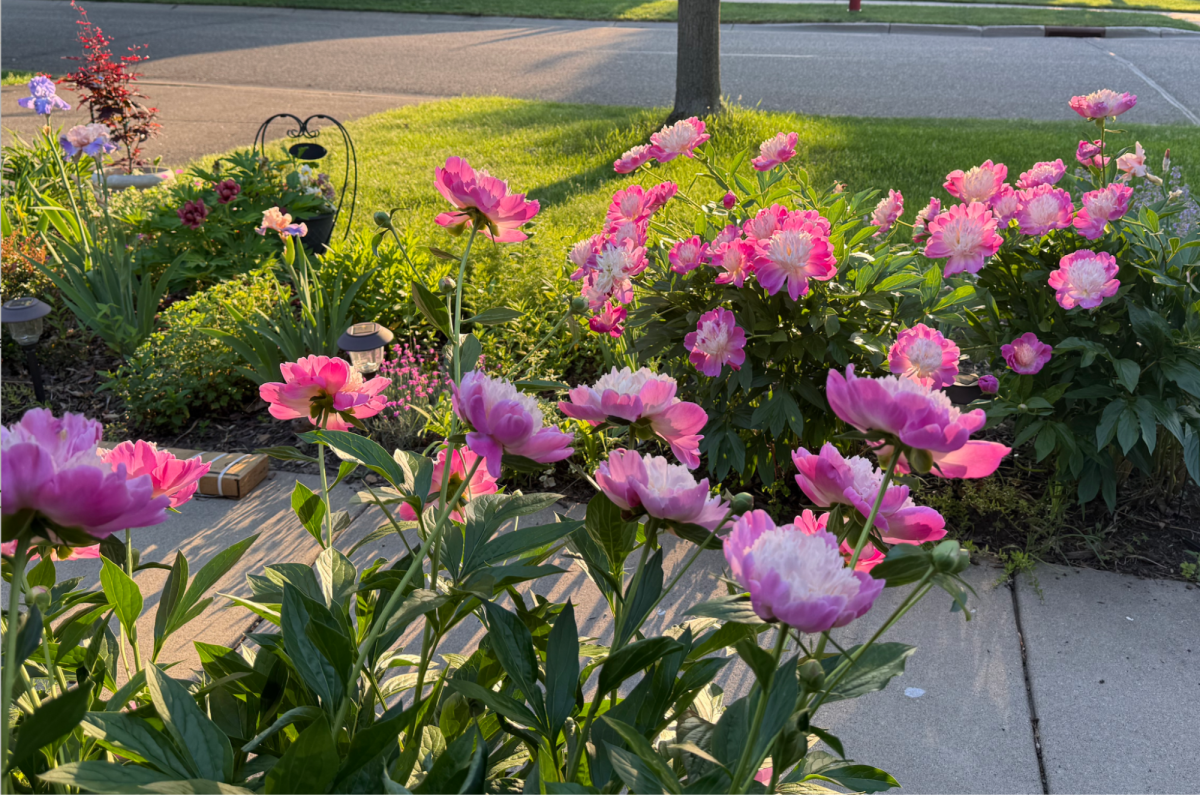
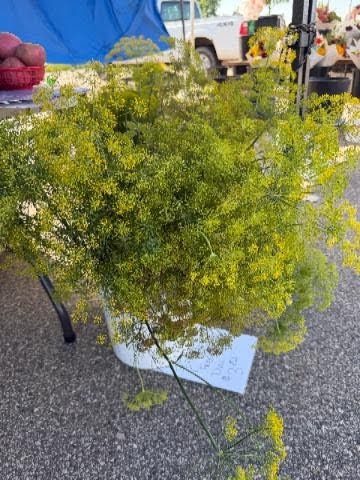
July is peak growing season for Minnesota gardens. July in Woodbury usually means hot sun and fast growth, and the gardens are putting on quite a show. Vegetables are ripening, flowers are bursting with color, and herbs are at their peak.
What is not to love about herbs? There is nothing like fresh herbs from your garden to flavor your food and add pleasant scents to your home. Herbs are easy to grow, and it is much less expensive to grow them yourself than to buy them from the grocery store. Herbs have been used for centuries as medicines, and they are packed with nutrients. Many herbs also have beautiful blooms that attract pollinators.
Herbs can be grown in garden beds or raised beds, in pots or containers, or even indoors on a sunny windowsill. When growing them, there are several important July tasks to remember. First, water them deeply at least once a week. July heat quickly dries the soil. Potted herbs may need to be watered every day. If you put your finger into the soil and it is dry one-half inch below the surface, the plant needs water. Watering early in the morning is best to help prevent fungal disease that can develop if plants remain wet overnight.
As long as you meet their basic needs, herbs are not too demanding. According to the University of Minnesota Extension, avoid planting herbs in heavy clay soils and in areas that stay constantly wet. Most herbs require at least six hours of direct sunlight, with full sun being optimal. Never allow them to become so dry that they wilt. The Extension also says, “The more intense the light, the more oils will develop within the glands of the foliage and stem. Oils create stronger fragrances and seasonings.”
Two other important July tasks are harvesting herbs regularly and pinching off the top leaves to encourage bushy growth rather than tall, lanky stems. During hot weather, herbs naturally try to flower and produce seeds. You want to avoid letting them flower because the flowers make the leaves taste bitter. Pinch off buds as soon as you see them, but when harvesting, never remove more than one-third of the plant at a time. You might even want to grow two basil plants, one for your kitchen where you remove the buds, and one for pollinators where the flowers are allowed to bloom. For the best flavor, harvest herbs just before cooking. Morning is the best time to harvest, but if you need them for dinner, you can wait until then, or harvest them in the morning, place the herbs in a glass of water or vase in the refrigerator, and cover them with a plastic produce bag to keep them fresh.
Herbs do not need much fertilizer. Because July is a time of rapid growth, you can give them one light feeding this month with either a standard liquid plant food or, as the Extension recommends, a one-time application of a 5-10-5 fertilizer at 3 ounces for every 10 feet of row. Be sure to remove yellow or dead leaves near the soil to improve airflow around the plant.
Few gardening tasks are more rewarding than coming in from the garden with a basket full of fresh herbs. Some of the most common and easily grown herbs in Minnesota include basil, dill, parsley, chives, cilantro (also called coriander), thyme, rosemary, oregano and sage. Some gardeners also grow lavender, nasturtium and calendula, all of which are edible and look lovely whether used in cooking or as garnishes. Next week, we will look at individual herbs and the best ways to preserve them.