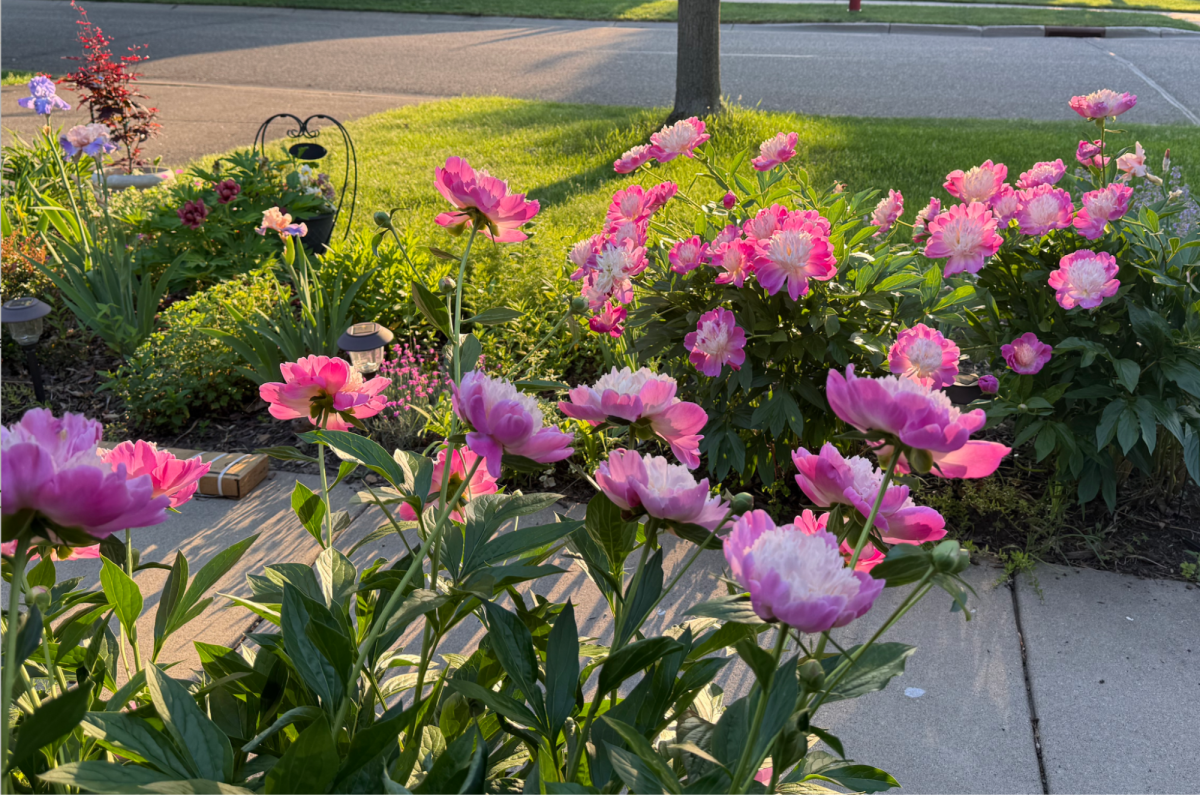
Vegetables and annuals have been in the ground for weeks now across Woodbury. Tomatoes and peppers are putting on size, helped by the heat of early June, and early bloomers like peonies and irises have finished their show.
By late June, most gardens have settled into shape, but gaps can still appear: lettuce that bolted and was pulled, carrots that never came up or a perennial chewed down by rabbits.
This is a good week to take a second look at those empty spaces. In Woodbury’s Zone 5a growing season, the window for sowing seed has not closed.
What’s Happening This Week
With frost typically arriving around early October, there are still roughly 100 days of growing time left. That is enough time for several vegetable families to mature before the season ends and enough time to sow annuals that add color, fill gaps and, in some cases, return on their own next year.
What to Watch For
Rose sawfly larvae are active now and can skeletonize rose leaves between the veins. Check the undersides of leaves for pale green, slug-like larvae. If numbers are small, hand-pick them into soapy water.
Powdery mildew can also appear on squash and cucumber leaves during humid stretches. Good airflow between plants helps more than any spray, so avoid overcrowding and remove heavily affected leaves when needed.
Vegetables You Can Still Sow Now
Succession sowing, or planting a second or third round of a crop partway through the season rather than only once in spring, still works in late June. Check the days-to-maturity number on the seed packet, then count back from early October to see whether there is still time for that crop to mature.
The carrot family, including carrots, parsley and cilantro, can be sown from mid-April through July. These crops need about 45 to 90 days to mature and prefer sandy, loose soil. Carrots can be harvested a few at a time as they size up, making them forgiving even if a July sowing comes in unevenly.
The aster family, which includes lettuce and other greens, has one of the widest sowing windows, from early April to early September. These crops mature quickly, often in 30 to 45 days, and outer leaves can be picked within four weeks. That makes greens one of the most reliable ways to fill an empty spot.
The amaranth family, which includes beets, spinach and Swiss chard, can be sown through mid-August. These crops generally take 45 to 90 days to mature and are a good source of vitamins A and K.
If you are direct-sowing any of these crops, keep the soil consistently moist until germination. Late June sun dries out bare soil quickly, and a seed that dries out partway through sprouting usually will not recover.
Annuals: It’s Not Too Late to Sow
If you have a gap in the flower garden, you can still sow annuals. Calendula, cosmos, zinnia and sunflower all germinate readily in warm soil, tolerate average conditions and bloom well before frost.
Calendula, also called pot marigold, is one of the easiest annuals to grow from seed. It tolerates a wide range of soil and light, blooms in cheerful yellow and orange tones and is fairly cold hardy. It often keeps flowering into fall, sometimes outlasting the first light frosts. If left to drop seed at the end of the season, it readily comes back on its own the following spring.
The blooms, leaves and stems are edible, and calendula also has a long history of medicinal use. It may slow down during the hottest stretches of summer, then pick back up as temperatures cool.
Cosmos is worth sowing not only because it is easy but because certain varieties bring something distinctive to a late-season gap. Cupcake cosmos is especially unique for its form: Instead of the typical open daisy shape, its petals fuse into a single ruffled cup or bowl. It grows tall, usually 3 to 4 feet, making it useful for the middle of a bed. Apricotta cosmos stands out for its color, with soft apricot, peach and blush tones that are less common than the usual pinks and whites. Sonata is the compact counterpart, usually around 2 to 3 feet tall, with the familiar open flower shape, making it better suited to borders, containers and smaller gaps. These cosmos varieties bloom from midsummer until frost and self-seed without spreading aggressively.
Zinnia is one of the easiest annuals to grow and a favorite for cutting. It germinates quickly in warm soil, blooms in nearly every color except blue and keeps producing all summer if you cut flowers regularly for bouquets.
Sunflowers are worth choosing by variety. For containers or small gaps, dwarf types like Teddy Bear or Sunspot top out around 2 feet. Some sunflower hybrids are bred to produce minimal pollen, which means they will not stain a tablecloth when cut and will not self-seed.
Looking Ahead
If you miss this window, lettuce and other greens can still be sown again as late as late August for a fall harvest. Keep seed packets nearby through summer rather than putting them away after spring planting.
Questions about what will work in your yard or garden? Reach out at [email protected].