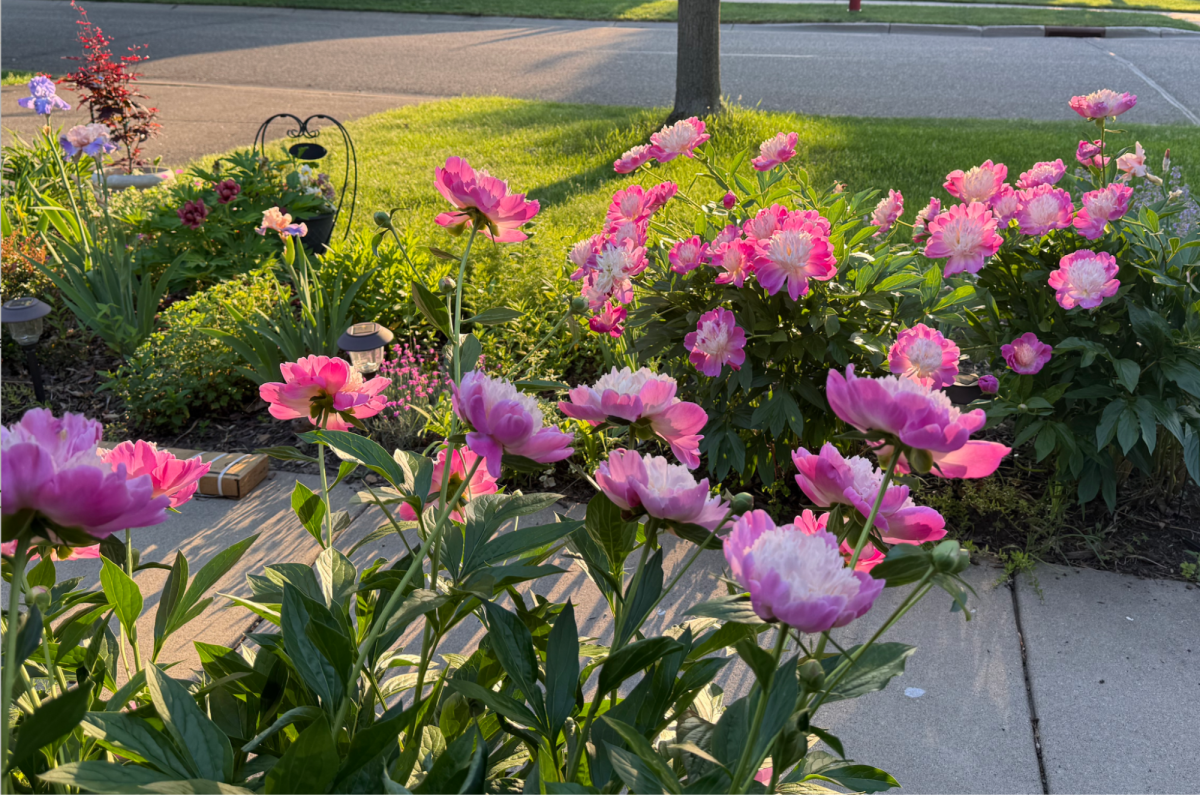
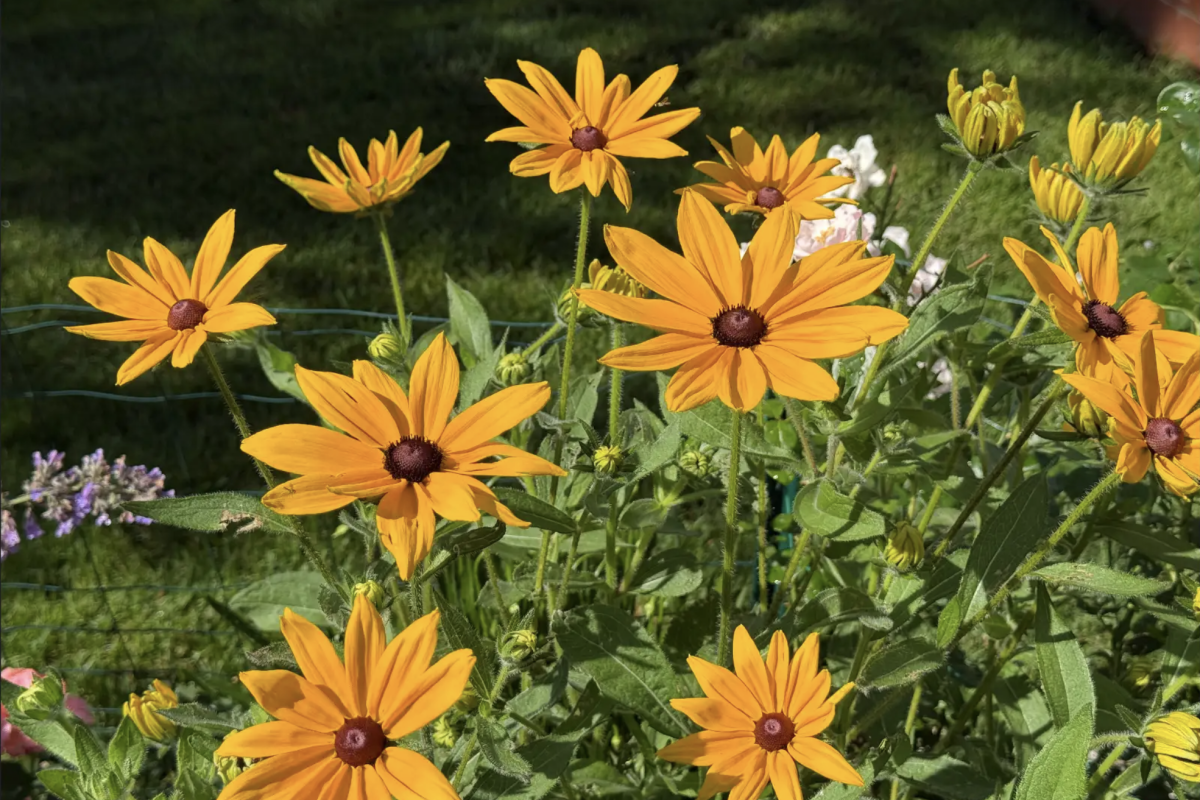
July is showtime in the garden. The season has moved fully into its productive stretch, with plants at their fullest and the payoff of spring planting on display. While vegetable gardens are overflowing and summer flowers are in bloom, another seasonal spectacle is unfolding after sunset. Fireflies are back, flashing through the evening as they search for mates. Simple steps, like turning off outdoor lights, can help ensure they remain part of Minnesota summers for years to come.
Many Midwest perennials are blooming. Daylily, coneflower, black-eyed Susan, bee balm, lily and agastache are all coming into full color right now. Vegetable gardens are just as exciting: Zucchini are ready for picking, tomatoes are setting fruit, and cucumbers and pole beans have climbed up their trellises. You might spot hummingbirds and butterflies during the day or catch the magical twinkle of fireflies at night.
What’s Happening This Week
Woodbury has been under a heat wave since June 28, with highs reaching into the 90s on several days. Fortunately, we’ve also gotten some relief. My rain gauge recorded 2 inches over this same stretch. That’s good news, but it doesn’t mean you’re off the hook. Vegetables need about 1 inch of water a week, delivered deep and slow rather than as a light daily sprinkle. Shallow watering keeps roots near the surface, where they dry out fast. A long, deep soak once or twice a week does far more good than five minutes with the hose every evening.
Keeping moisture in the soil is just as important as adding it. A fresh 1- to 2-inch top-off of mulch is worth doing right now, too. It keeps soil cool under this kind of heat and slows evaporation, so the water you give your plants sticks around longer instead of baking off. Straw, shredded leaves or wood chips all work. Just keep mulch pulled back an inch from plant stems to avoid trapping moisture against them.
Fireflies Are Back
Fireflies were a common sight in my childhood. I remember chasing them and releasing them into my mosquito netting, falling asleep under their twinkling lights. I moved to Woodbury more than 20 years ago, and I have rarely seen a firefly in my neighborhood since. Walking the trails at Stonemill Farm the other evening, I saw them again, and it caught me off guard how much it meant. Fireflies are enchanting, even nostalgic. They flash like Morse code messages from childhood.
If you want a reliable place to see them, Afton State Park is a good bet on a warm, calm evening. The Arboretum also hosts Firefly Nights walks in July.
Fireflies spend most of their lives in the soil as larvae, not as the flying adults we see for a few weeks each summer, so healthy, undisturbed soil matters more to them than most people realize. Pesticide use destroys that habitat, so it’s one more reason to go easy on chemical treatments in your own yard. I noticed that in the park locals call Spiderman Park, on the south side of the Stonemill Farm community, the plain lawn has been converted to clover in recent years. This might have helped the firefly population return.
Light pollution is another major driver of diminishing firefly populations. Late June through July is mating season, when fireflies rely on precise flashing patterns to locate and court mates. We can help by turning off outdoor lights and closing blinds in the evening. If security lighting is a concern, motion-activated smart lighting is a good compromise.
What to Watch For
Avoid the heat by doing garden chores before 9 a.m. or after 6 p.m., and take sun protection seriously. I wear a long-sleeve rash guard, garden overalls and a wide-brim hat when I’m out working in the garden. Humidity has also been high, so water in the morning to give leaves time to dry out during the day and reduce mildew development.
Japanese beetles are out now, going after roses, beans, grapes and raspberries in particular. Look for skeletonized leaves where they’ve eaten everything but the veins. The best treatment is the simplest: Knock them into a bucket of soapy water, where they sink and drown. Early morning, when beetles are sluggish, is the easiest time to catch them, and catching them early also keeps them from calling more of their buddies to your garden since Japanese beetles release a scent that draws others in once they start feeding.
Also watch for the lily leaf beetle, a newer invasive pest first reported in Minnesota in July 2020. It has no natural predator here yet, and it can damage or completely destroy lily plants if left unchecked. Control is the same as for Japanese beetles: Knock them into soapy water.
When was the last time you saw a firefly? If it’s been a while, this might be the summer to go looking.