
The weather has been cooperating lately with milder temperatures and summer rains. Most gardeners have planted their crops and are now in the watering, fertilizing, weeding and watching-them-grow stages.
But if you have a bit of room in your garden, there’s still time to add another vegetable or two. Some gardeners will add items that don’t take a great deal of space, like lettuce, onions or radishes. Others may add another tomato plant, as there are many great options like the Sweet 100, Big Boys or my favorite, the Cherokee Purple (a misshapen but delicious heirloom tomato). Finally, if you’ve never made pesto, add a couple of basil plants and you’re in for a real treat.
Most plants mature within 45 to 60 days, so you’ll still be picking in August.
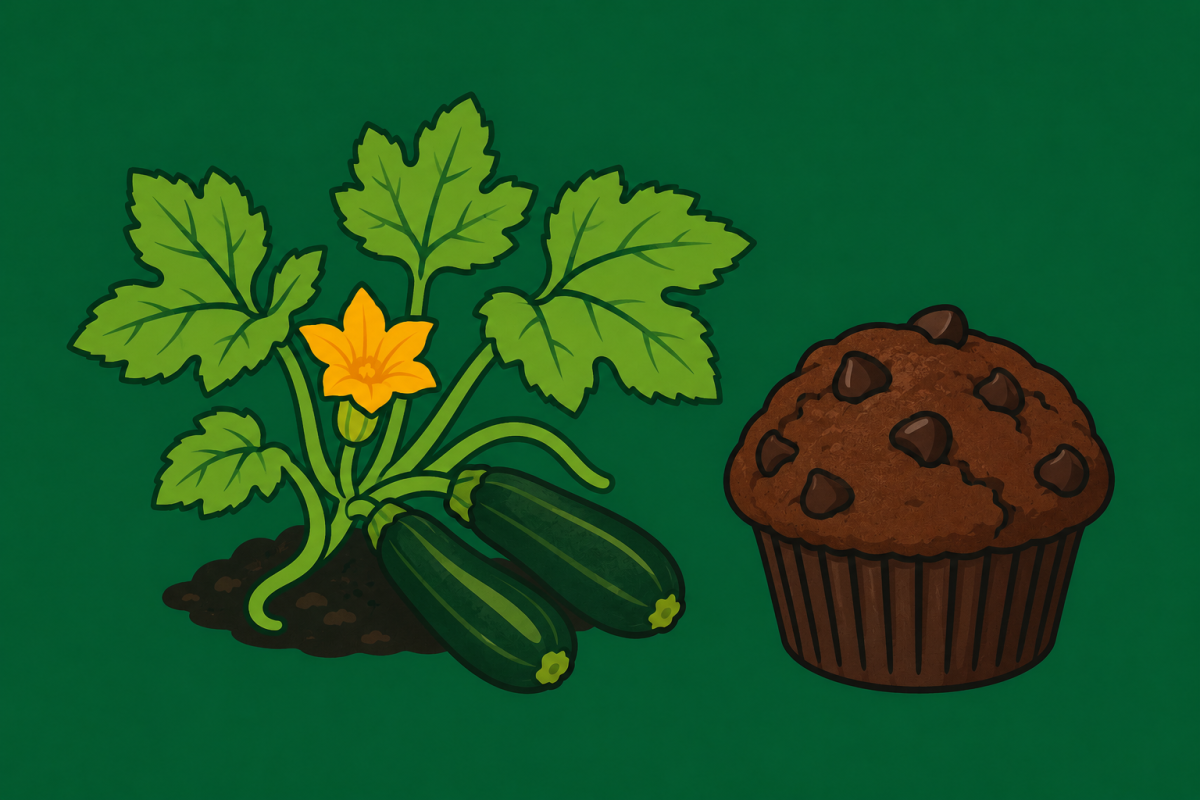
One plant I added to my garden several years ago is zucchini. If you have space, I’d suggest giving it a try. I love the taste and versatility of this summer delight. Zucchini is a dense squash and belongs to the gourd family. It comes in green or yellow. It’s considered slightly sweet and has a high water content. It’s very low in calories and carbohydrates and packed with vitamins and minerals.
And while I refer to it as a vegetable, it is actually a fruit. Why a fruit? Well, fruits contain seeds. It also grows from zucchini blossoms, which are really pretty and taste great. Zucchini is an easy-to-care-for plant. You need to water weekly. They are thirsty and need an inch of water each week. Try to keep the water at the base of the plant and not on the leaves, which prevents fungal diseases. Compost and fertilizer will make for a very healthy plant. You can maximize your space by training them to grow upward with bamboo sticks and ties. This also helps protect the leaves.
If you notice any bugs on your plants, I have found Captain Jack’s organic spray to be quite effective. Bigger is not better in the world of zucchini. Picking them between 4 and 8 inches is key and usually means a sweet, tender fruit. Larger zucchini frequently means a tough exterior, a woody taste and an overabundance of large seeds. Picking more often also means you’ll have a larger harvest.
So, now that you’ve picked all these beautiful zucchini, what’s next? Don’t wash until you’re ready to use them. They are easily stored in the refrigerator for up to two weeks. The internet is full of ideas and recipes. One simple recipe is to slice, pat dry and roll them in breadcrumbs and light Italian seasonings and cook them in a pan of olive oil. Then toss with grated Parmesan. It’s a great, quick side dish that can accompany almost any main course.
Zoodles have also become popular. They can be spiraled and substituted for pasta. Another way to use the bountiful harvest is in baking recipes. My daughter experiments with gluten-free recipes, and she came across a real winner a few years ago. It’s a gluten-free chocolate zucchini muffin or bread recipe. It’s one of those recipes that no one realizes is gluten free unless you tell them, and children don’t complain about eating vegetables or fruit. You can find this recipe by checking out Only Gluten Free Recipes online.
This is Kristina Stosek’s “Ultimate Double Chocolate Zucchini Muffins (Gluten Free).” There are hundreds of recipes online for zucchini. Also, given the abundance the plants produce, they can be frozen, and there are even recipes that preserve your zucchini for blending, baking or soups. And the best way of all to use extra zucchini is to share it with a friend!