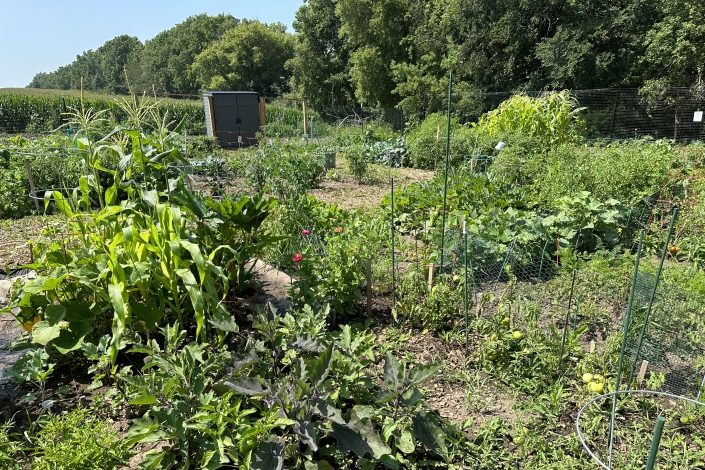
A few warm days make a gardener anxious to head outside. But there are a few preparations that should be made before you plant in the ground or in pots.
Have you done your soil preparation?
Soil preparation is fundamental to a healthy crop of vegetables. Testing the soil will tell you the condition of your soil and help determine what should be added.
Soil can be sandy, clay, silt, peat, chalk or loam. Loam is the ideal. It is damp, not sticky, crumbles after it rains, holds moisture and drains well.
The next step in preparing your soil is to clear your garden area of old plants, sticks and rocks. Then you’ll want to loosen the soil 8 to 12 inches deep. This breaking up of the soil helps with the root development of your vegetables.
Then it will be time to add 2 to 3 inches of organic matter, which assists with drainage in your garden. Finally, don’t over-till your garden, as it will dry out the soil.
What kind of fertilizers should you use?
There are many good organic fertilizers on the market. With a brand you trust, mix it into the top 4 inches of your garden soil. Organic fertilizer will not dry out the soil and will actually improve it. Nonorganic fertilizers damage the soil over time.
There are good reasons to add fertilizer if the soil test indicates what your garden needs. Potassium boosts overall plant health. Phosphorus aids root and flower development. Nitrogen promotes root growth.
Some plants, like tomatoes, are heavy feeders and will need to be fertilized more frequently. Typically, the little card that comes with your plant will tell you how frequently to fertilize and when the plant will mature.
Finally, level the soil in your garden, as it helps with planting and watering.
Why harden your plants?
Hardening is the process of preparing your plants to be outdoors. It allows plants to become acclimated to the wind and weather before you actually plant them in the ground or in pots. In midmorning, you can take your plants or pots outside and then bring them inside when the afternoon temperature starts to drop.
It is generally suggested that the hardening process be done for a week before planting. Most plants are fine to be planted after evening temperatures are in the 40s, but some plants are more sensitive to the cold. They can be hardened during the day but should be kept indoors until evening temperatures are in the 50s.
Sensitive plants like tomatoes, zucchini, cucumbers, basil and peppers don’t like the cold. If they are outside and the temperature drops below 40 degrees, they usually die. Below 50 degrees, they usually don’t die, but their growth and size are reduced. If one plants tomato seeds too late, there may not be enough time for them to fully mature. Starting seeds inside or buying plants will ensure a better crop.
What does the zone mean?
All of the United States is designated a specific planting zone. The zones are a good guide for when you can plant. These zones can be found on plant tags or online.
The zone is based on the average low and high temperatures in a region over 30 years. The maps and zone designations are determined by the U.S. Department of Agriculture.
In 2023, the Minneapolis-St. Paul zone went from 4b to 5a based on the warming of the area. Some rural parts may still be more like 4b, and many growers in rural areas still use the 4b designation.
So while our area is warming, temperatures can still dip below freezing or experience late-season frost, as discovered recently.
And the fun begins. Enjoy your garden time!