Wow! Your garage sale went really well.
Just about everything sold, but what are you going to do with the leftovers? You certainly don’t want to bring them back into your recently decluttered house, and there isn’t room for them in the garage. Maybe one of these options will work for you.
Throw them out
Be honest with yourself. Maybe the reason an item didn’t sell was that it was broken, dirty, ugly or out of style. Just pitch it.
Have another sale
Some folks have a sale every year, and since your treasures are already out of the house and sorted, you’ve done the hard part. A repeat sale makes sense if traffic to your garage was light because of weather, road construction or something beyond your control. Before you pack everything away by category, be honest with yourself. Could you have done anything different to improve your sales? A better ad in the Lions map? Lower prices? A Saturday discount day? Better organized displays? More signs?
Add your items to someone else’s sale
Your extras could be added to a friend or relative’s sale. There may be a church, school or charity organizing a rummage sale in the future that would love your clean, nicely sorted items.
Sell them online
Sites including Facebook Marketplace, Craigslist and Nextdoor allow you to offer items for sale. Although many people use them successfully, some users grumble about interested parties who don’t follow through on offers to purchase. This option is more likely to be worth it for large items or a collection of similar items.
Sell them through a thrift store
Local thrift stores may be willing to buy clothing that is in good shape.
Give them away
After a sale, many folks leave extra items on their lawn or at the curb with a “Free” sign. It is wise to limit the time they sit there so you don’t run afoul of the city’s nuisance laws. Alternatively, you can offer your cast-offs on free Facebook sites, including Buy Nothing Woodbury (East and West), Woodbury Freebies and Pay It Forward Woodbury, MN. The groups ask you to sign up as a member and to follow their guidelines.
Donate your sorted items
There are several different types of charities that collect secondhand goods. The number of organizations accepting used goods has gotten much smaller since the COVID-19 pandemic, and their restrictions have increased. Be respectful of recipients by passing along items in good condition. This list does not cover every organization, but it should get you started with local options.
Not all charities pass your items directly to people in need, but these groups do. Check the sites for their needs:
Joseph’s Coat Accepts clothes and small household goods two days a week by appointment
Kaitlyn’s Kloset Accepts children’s items three days a week
Listening House Needs men’s clothes. Pick drop-off time on website
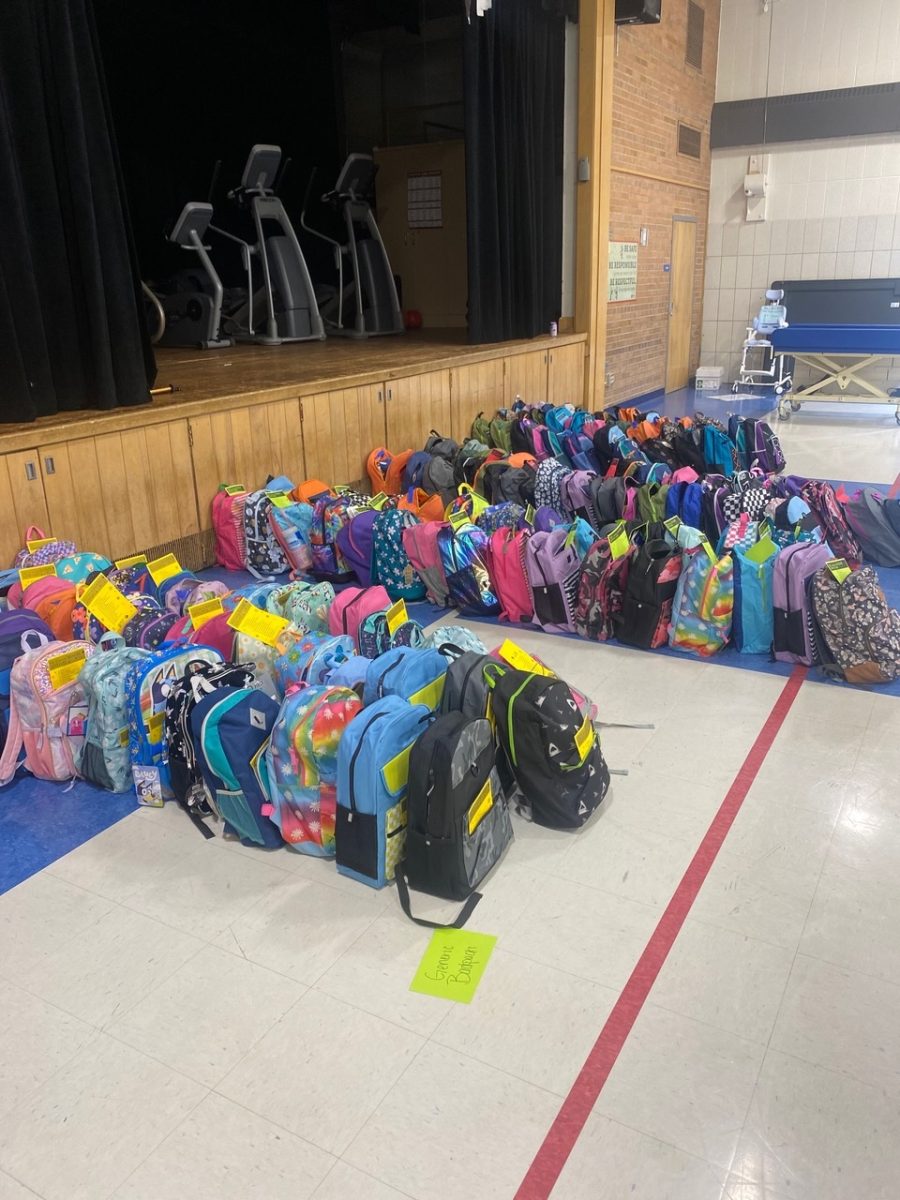
Face to Face Clinic and Safe Zone Needs clothes for homeless youth and their young children, as well as strollers, backpacks and other carrying bags
Sharing and Caring Hands Minneapolis shelter accepts a wide range of clothes, household goods and baby gear most days
Walking with a Purpose Collects clothes and camping goods for unhoused people in St. Paul
Bridging Accepts furniture and other items needed to furnish a home. Drop-off or pickup can be arranged for a fee
The Humane Society Accepts bath towels and gently used pet supplies
Free Book Buggie Accepts children’s books for under-resourced Minnesota communities. Items can be dropped off at Old National Bank, 1920 Donegal Drive
Some small local organizations give items or vouchers to people in need while also selling some donations in order to fund their efforts:
Basic Needs Accepts clothing and household goods three days a week at the thrift shop in Cottage Grove
Free Geek Twin Cities Collects electronics, working or not, and directs them to its thrift store or recycles components
StyleXChange Accepts seasonal clothing at its drive-up three days a week
Express Bike Shop Accepts bikes and bike parts to support youth apprenticeship
ReStore Twin Cities Habitat for Humanity Accepts a wide range of building supplies and household items. Pickup available
Larger national charities sell some of their donations to fund their missions and then auction off unsold merchandise for international markets and scrap dealers.
Goodwill estimates that 15 percent of donated items go immediately to a landfill because they are too mildewed or damaged to sell; 20-30 percent are sold within four weeks at a thrift store; a smaller fraction is sold by the pound at Goodwill outlets; and the majority of donations are auctioned off for international exports and textile recycling.
Minnesota Goodwill uses its profits to provide job training and rehabilitation services to about 5,000 people annually.
Goodwill Woodbury Accepts donations every day
ARC Value Village Accepts clothing and household goods daily. Thrift store sales raise $1.6 million annually to benefit local people with developmental disabilities, some of whom work in the stores. Pickup available for a fee
For-profit thrift stores often advertise as charities, but their actual charitable donations are small:
Savers Collects clothing and household goods daily and passes along about 10% of its profits to charities
The Epilepsy Foundation of Minnesota Sells donated items to brokers who resell them to thrift stores, international markets and textile recyclers. Pickup can be arranged on its website
DAV Will schedule pickups. The organization works with Savers and receives 42.4 cents per pound of clothing and 21.6 cents per pound of household goods. The income funds services for disabled veterans
Most free-standing drop-off bins are run by for-profit organizations that sell to brokers without any charitable donation.
Recycle appropriate items. Some things that are too stained or broken for donation may be recycled rather than sent to the landfill:
Basic Needs Accepts clothing, linens and shoes when dropped off in bags marked “recycle”
Washington County Environmental Center Recycles electronics